The Rise of Stablecoins
April 20, 2026
– The total value of stablecoins in circulation grew from $120 billion to over $270 billion in just the past 18 months
– The rapid growth of stablecoins could lower short-term interest rates and add steepening pressure on the yield curve
– Companies like Amazon and Walmart are exploring how stablecoins could reduce payment processing fees and speed up settlements
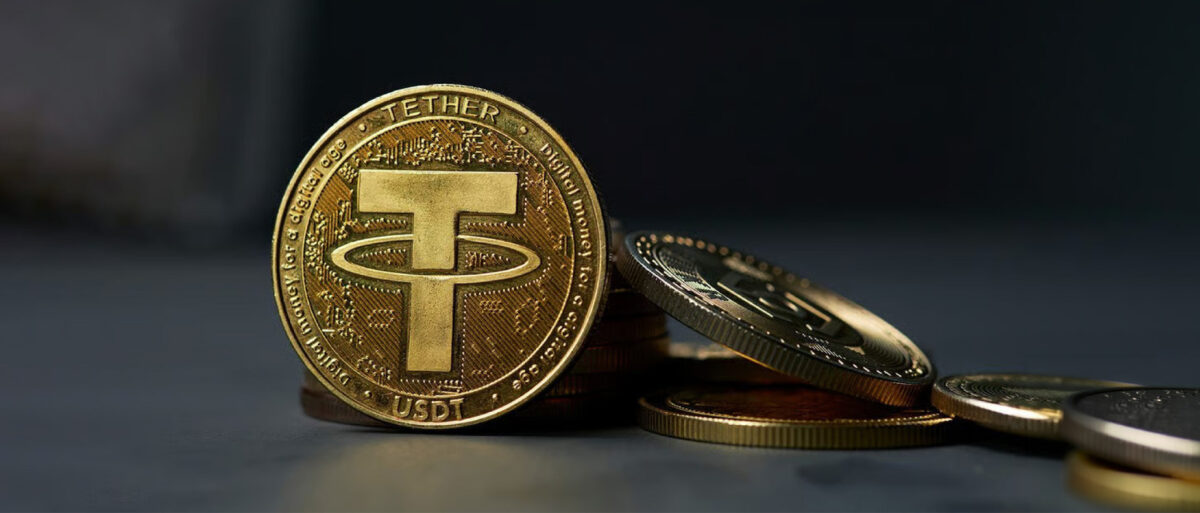
Once a niche tool for cryptocurrency traders, stablecoins are rapidly evolving into a serious contender in global finance. These digital tokens, which are typically tied to the U.S. dollar to keep their value stable, are rapidly emerging as a potential alternative to conventional payment systems. The market has expanded significantly with the total value of stablecoins in circulation growing from $120 billion to over $270 billion in just the past 18 months. Some analysts forecast that figure could reach $2 trillion in a few years, driven by rising demand for faster, cheaper, and more transparent ways to move money. As stablecoins scale, they are drawing the attention of major corporations and policymakers alike. Companies like Amazon and Walmart are exploring how stablecoins could reduce payment processing fees and speed up settlements, while regulators are beginning to set clearer rules to support their mainstream adoption.
Stablecoins are digital currencies that use blockchain technology to move value, but unlike cryptocurrencies such as Bitcoin or Ethereum, they aim to maintain a stable price usually by being backed with U.S. dollars or short-term Treasuries. Originally designed to support crypto trading by allowing investors to move in and out of digital assets without converting to traditional money, stablecoins are now being used far beyond the crypto world. Demand is growing among a wide range of users including immigrant workers sending remittances, businesses transacting internationally, and consumers seeking faster ways to move money. In some emerging markets, stablecoins are even being used as a store of value, providing a digital dollar alternative to volatile local currencies. As adoption expands, stablecoins are beginning to integrate with digital wallets, banking apps, and e-commerce platforms, especially in regions where mobile finance is already well established.
One of the main reasons for this growth is the inefficiency of existing payment infrastructure. Bank transfers often take one to three business days to settle and can cost several dollars per transaction. International payments are even more complex, frequently involving multiple intermediaries, currency conversions, and opaque fees. In contrast, a stablecoin transaction can settle in seconds and cost only a few cents, with transparent tracking along the way. These benefits are particularly compelling for cross-border payments, where global flows exceed $180 trillion annually and much of the volume still relies on slow and costly legacy networks like SWIFT.
“a stablecoin transaction can settle in seconds and cost only a few cents, with transparent tracking along the way.”
Last July, the U.S. took a significant step toward regulating the space with the passage of the GENIUS Act, the first federal legislation to define and regulate stablecoins. The legislation passed with bipartisan support and is seen as a foundational framework for digital payments in the U.S. Under the new rules, stablecoins must be fully backed by high-quality liquid assets, such as Treasury bills, with strict disclosure and audit requirements. Issuers must comply with anti-money laundering regulations and are prohibited from paying interest directly to holders. The GENIUS Act is widely viewed as a turning point as regulatory clarity is prompting deeper involvement from financial institutions and giving consumers more confidence in using stablecoins for everyday payments.
While stablecoins themselves do not offer capital appreciation, their growth could have a meaningful structural impact on two key areas of the financial system: the U.S. Treasury market and banks. Under the GENIUS Act, reserve assets must be held in liquid assets like short-term Treasurys. This mandate has created a new and growing source of structural demand for U.S. government debt. Analysts estimate that for every $1 trillion in stablecoins issued, as much as $300 billion in net new demand could be directed toward Treasury bills, depending on the underlying asset allocation and the source of funds. For example, when deposits leave a traditional bank, where around 10% were allocated to Treasuries, and move into a stablecoin that allocates up to a third of its reserves to Treasury bills, it results in a substantial increase in net demand for government debt. While stablecoins currently make up just under 5% of the outstanding short-term Treasury market, that share could rise significantly, especially with greater adoption internationally. This growing appetite for short-term government debt could help support Treasury market liquidity, lower short-term interest rates, and add steepening pressure on the yield curve.
The rapid growth of stablecoins could present challenges to traditional banks by competing for certain deposit flows and payment volumes, particularly in corporate and international transactions where speed and cost efficiency matter most. However, this evolution also creates meaningful opportunities for banks to adapt and strengthen their position in the evolving payments landscape. Banks benefit from deep-rooted customer relationships, established trust, regulatory expertise, and robust infrastructure—advantages that many newer entrants in the space still need to build. Many institutions are already exploring ways to integrate stablecoins into their offerings, whether by forming partnerships with leading platforms, issuing their own compliant stablecoins or tokenized deposits, or providing custody and settlement services. Over time, such proactive steps could allow banks to capture new revenue streams in faster cross-border payments and digital asset services while continuing to serve as the trusted backbone of the financial system.
Sources: Bloomberg, Morningstar, Wall Street Journal, CFRA Research
by Dan Kupiec, CFA, Senior Investment Analyst at MainStreet Advisors.