
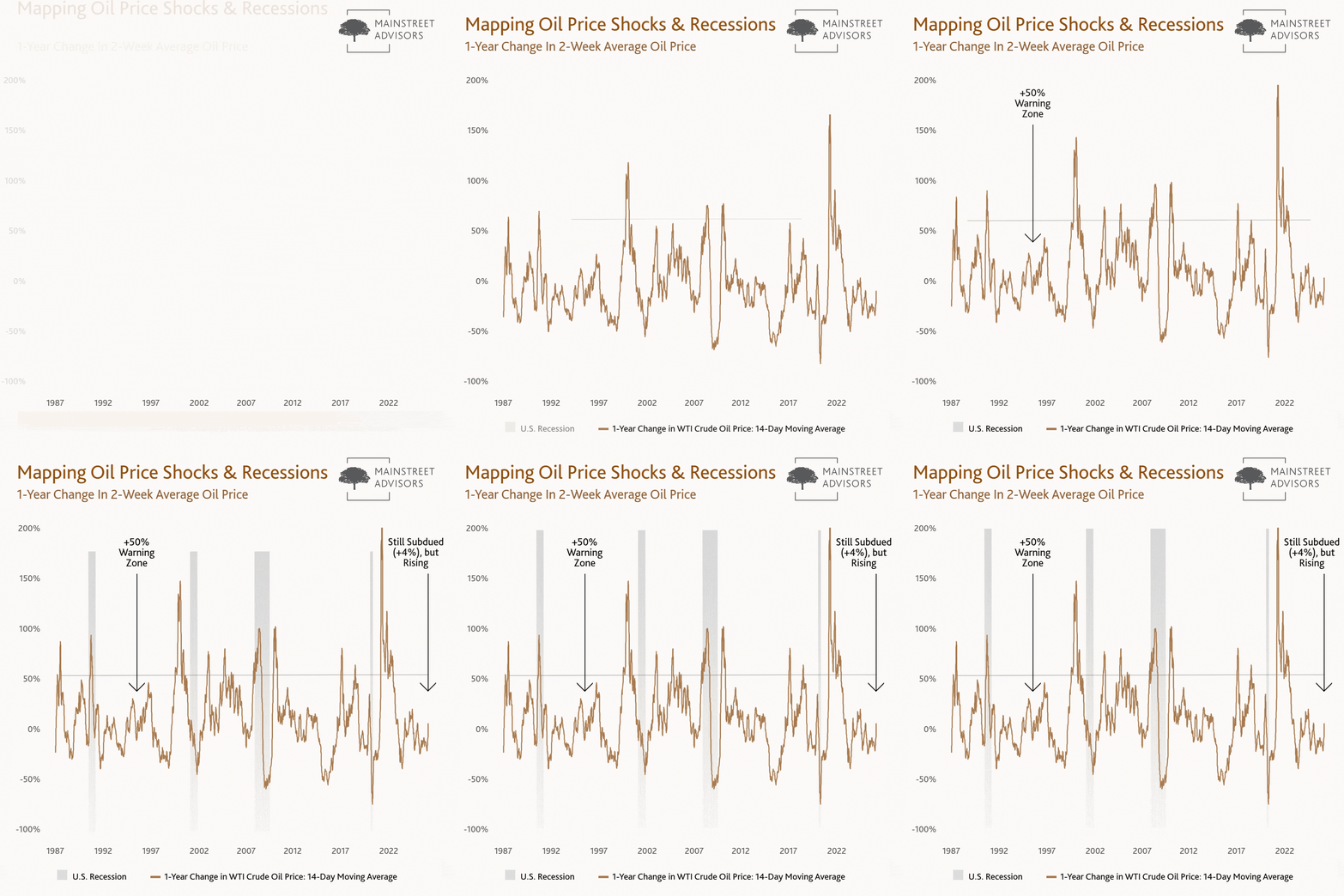
This week’s chart tracks the 1-year change in WTI crude oil prices (14-day moving average) against U.S. recessions. Historically, a 50%-plus year-over-year surge in oil prices has served as an important psychological and economic “warning zone” for market participants, signaling potential distress.
While a surging oil price highlights increased systemic risk, the broader economic context determines whether the economy can absorb the shock or slide into a contraction.
In several instances over the last 40 years, crossing this 50% threshold preceded or coincided with economic downturns. This was notably evident during the recessions of 1991, 2001, and the Great Financial Crisis of 2008-2009, where spiking energy costs squeezed consumer spending and industrial profit margins.
However, a surge is not a guarantee of a slump. The chart highlights several false positives—periods in 2003, 2004, 2017, and 2021-2022—where oil prices skyrocketed beyond the 50% mark without triggering an immediate U.S. recession, often due to strong underlying economic momentum or robust policy support.
Current volatility has brought this indicator back into focus. If WTI crude oil prices sustain levels above $95 per barrel throughout March, the 14-day moving average price could approach the 50% year-over-year threshold, potentially placing the U.S. economy in a historical “danger zone.”
Source: Federal Reserve Bank of St. Louis. Data as of 3/6/26. Past performance does not guarantee future results.
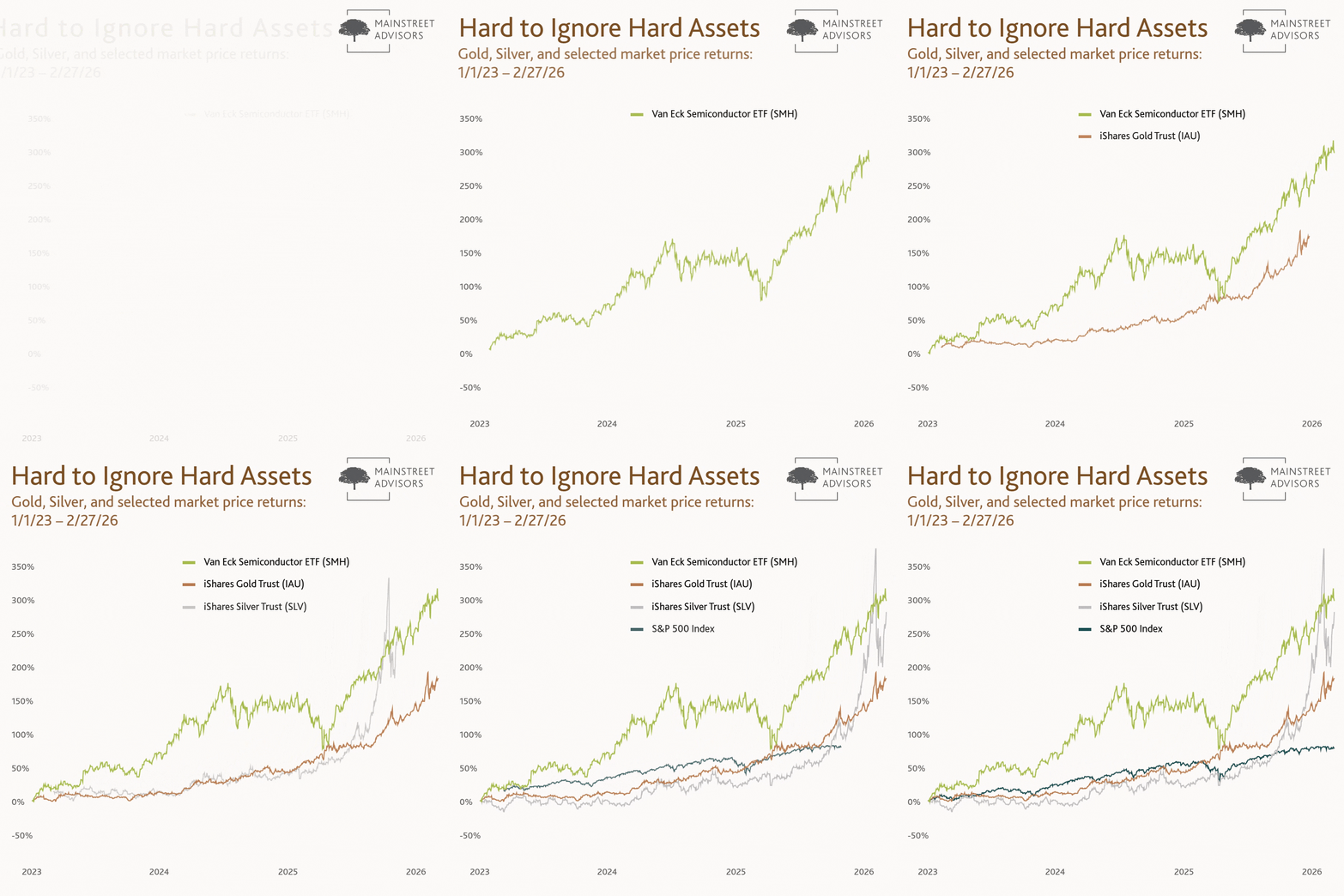
Since 2023, gold and silver have staged a powerful rally, significantly outperforming traditional equities. Silver (+285%) and gold (+185%) have both more than doubled the S&P 500’s return of 79%, signaling a rotation into assets with a perceived tangible store of value.
This momentum is anchored by a historic shift in global reserves. Central banks have been aggressive buyers since 2022, with gold now accounting for 36.8% of global foreign reserves, officially surpassing both Treasuries and Euros as a share of total holdings.
Beyond monetary demand, silver’s explosive growth briefly eclipsed the Van Eck Semiconductor ETF (SMH) in late January. This surge has been fueled by massive investment in modernizing electric grid infrastructure and robust retail demand from China, tightening the physical market.
The metals’ relative strength accelerated significantly following the “Liberation Day” lows of early April 2025. This pivot reflected growing investor concern over large budget deficits in developed economies, which are increasingly viewed as a permanent structural tailwind for precious metals.
Gold and silver faced a sharp pullback in late January 2026 coinciding with the nomination of Kevin Warsh as the next Fed Chair. As a noted hawk, his potential leadership signaled a tighter monetary policy mix, temporarily cooling the “debasement trade” narrative.
Despite this recent volatility, the fundamental case for gold and silver will likely remain a prominent theme in 2026, driven by continued central bank buying and growing demand from institutional investors.
Source: Bloomberg. Data as of Past performance does not guarantee future results.
On Saturday, President Trump announced a new 15% across-the-board tariff under Section 122, replacing the prior IEEPA-based tariff program struck down by the Supreme Court last Friday.
Unlike the open-ended IEEPA tariffs, the Section 122 duties carry a 150-day limit, expiring on July 24, 2026, unless Congress acts to extend it the measures.
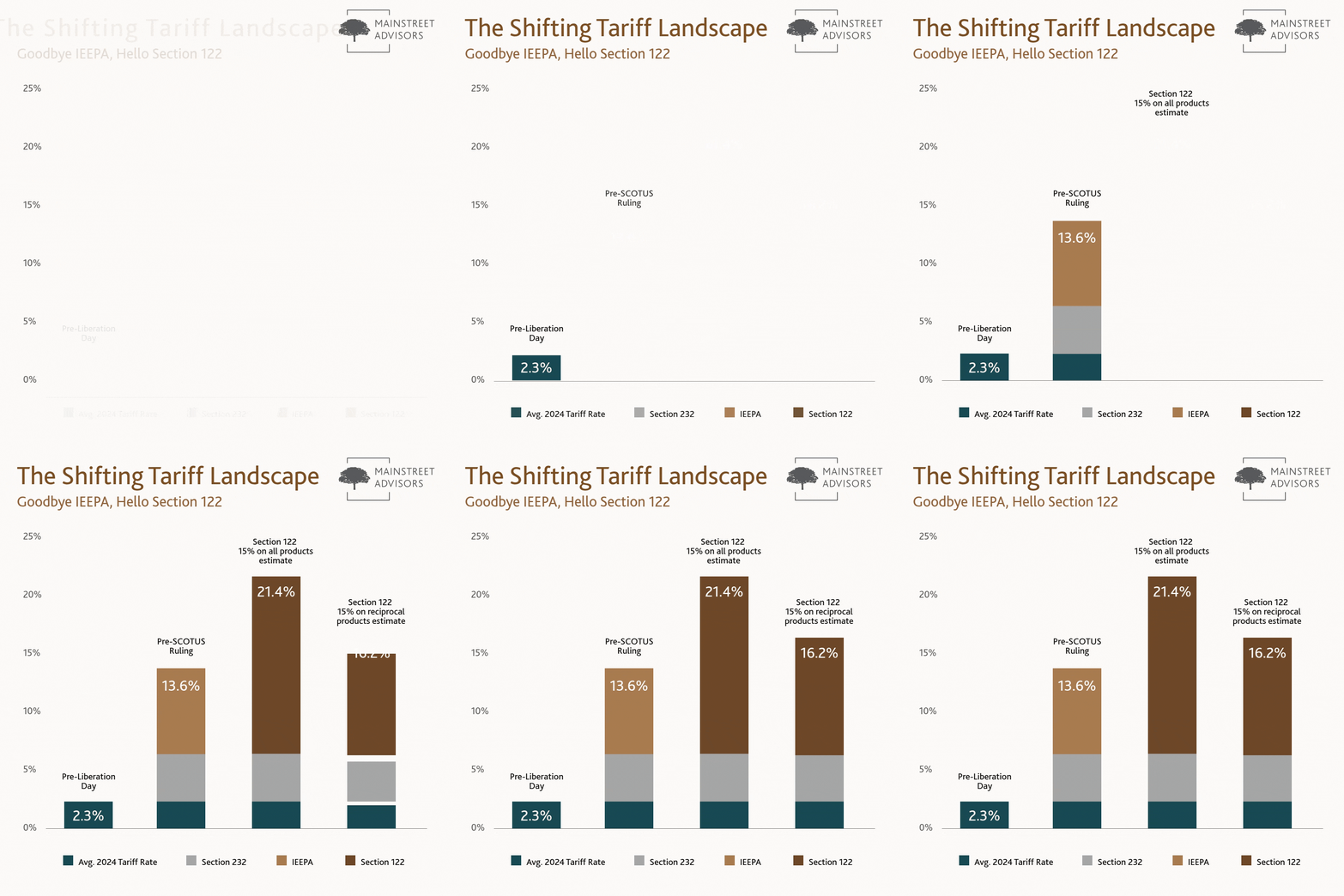
Prior to the court’s ruling, the estimated effective U.S. tariff rate was around 14%, composed of the 2.3% baseline 2024 rate, Section 232 duties, and the now-defunct IEEPA surcharges.
If this 15% Section 122 rate is applied across all imported products, the estimated total effective U.S. tariff rate would surge to 21.4% for at least 150 days.
Under a more targeted scenario where the 15% rate applies only to reciprocal products, the estimated effective tariff rate would moderate to 16.2%. Key exemptions from Section 122 tariffs are likely to include imports from Canada and Mexico, as well as many agricultural goods, certain pharmaceuticals, and various critical minerals.
Source: U.S. Census Bureau, Bloomberg Economics.
Labor Department data released last week showed 7.36 million people in the U.S. labor force of 171.03 million were classified as unemployed in January, translating to an unemployment rate of 4.3%.
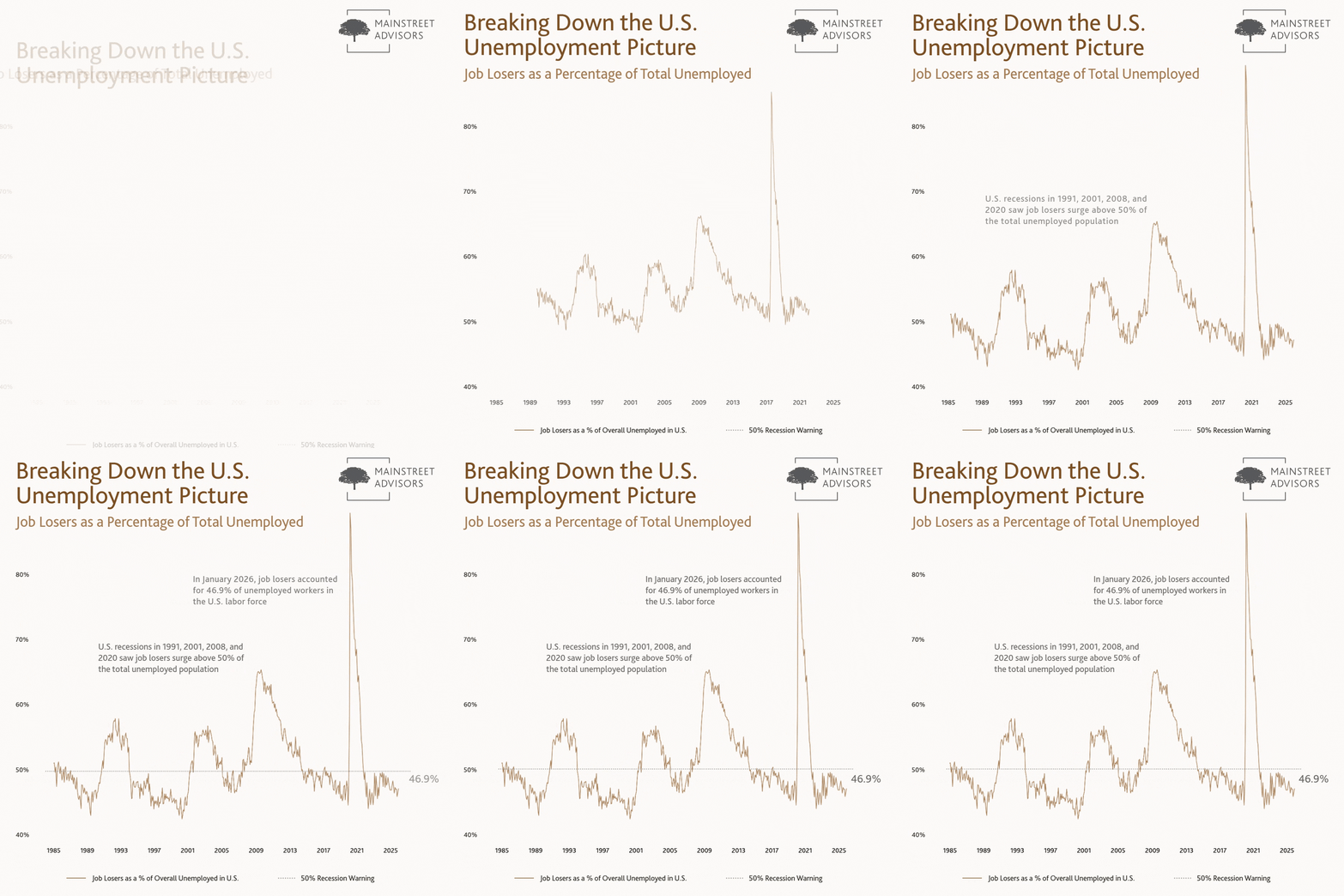
Of this cohort, 46.9% (or about 3.45 million) were identified as “job losers”—workers who lost their job or temporary workers who were not offered further employment upon completing their contract.
Workers who re-entered the workforce (29.3%), new entrants to the workforce (10.7%), and those who voluntarily quit their job (14.1%) accounted for the remainder of unemployed persons in January.
The percentage of “job losers” in the population of unemployed has wavered between 46% and 49% for the last 34 months beginning in April 2023.
During prior periods of domestic economic stress (1991, 2001, 2008-2009, and 2020), the percentage of “job losers” rose above 50%-52% as the U.S. unemployment rate climbed against a recessionary backdrop.
While the January reading of 46.9% suggests the domestic labor market remains in decent shape, the chances of economic slowdown would rise if this figure approaches 50%.
Source: Bureau of Labor Statistics. Data as of 1/31/26. Past performance does not guarantee future results.
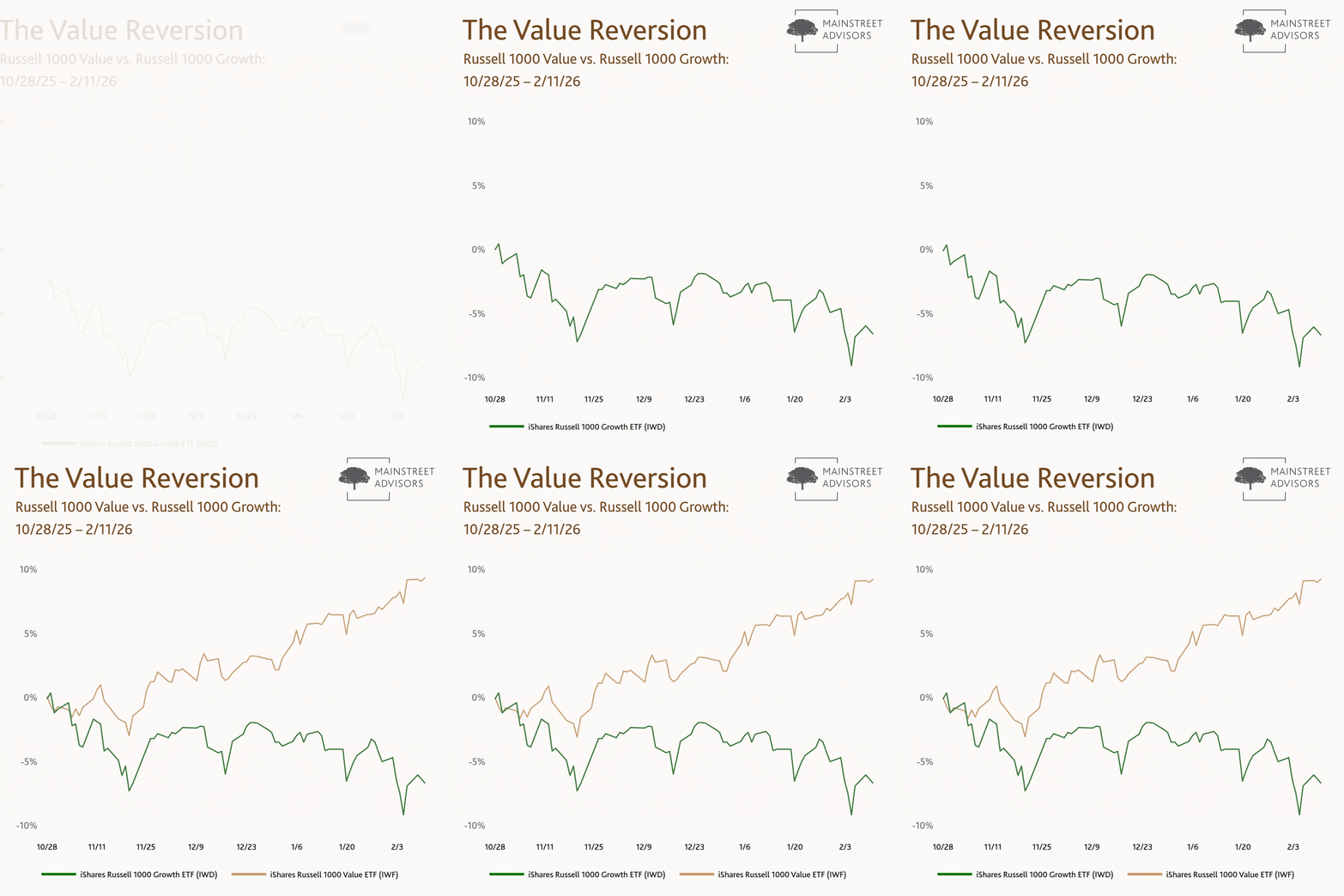
From October 28 through February 11, the iShares Russell 1000 Value ETF (IWD) outperformed the iShares Russell 1000 Growth ETF (IWF) by 15.5%, marking a notable shift in leadership beneath the surface of headline indexes.
October 29 stood out as a potential inflection point: the Russell 1000 Growth Index closed at an all-time high, boosted by NVIDIA (NVDA) surpassing a $5 trillion market capitalization, while the Federal Reserve delivered its second 25-basis point rate cut in a late-2025 easing cycle.
Since then, leadership has broadened away from most mega-cap growth leaders and the builders of AI capacity toward more cyclical and defensive areas of the market. Notably, many of these newer leaders are key direct or indirect contributors to the AI infrastructure buildout.
Over this 15-week stretch, the top-performing S&P 500 sectors were energy (+26.6%), materials (+19.7%), consumer staples (+13.2%), and industrials (+13.1%) — sectors more heavily represented in value indexes.
The shift suggests a potential rotation toward areas of the market likely to benefit from a reacceleration in nominal GDP growth and thereby experience stronger earnings growth in 2026 relative to leadership areas over the last several years.
We view this as a healthy development which could be a key ingredient for driving the next leg of the current equity bull market.
Source: Bloomberg. Data as of 2/11/26. Past performance does not guarantee future results.

In the post-World War II era, February has established itself as a challenging month for U.S. stocks, producing the second weakest average monthly return for the S&P 500, trailing only September, which is traditionally the most volatile month.
During the second year of the U.S. presidential cycle, February returns are historically muted, averaging a slight decline of -0.07%. This reflects a period where the market often grapples with midterm election policy uncertainty and shifting legislative priorities.
Despite the flat average return in February in year 2 of the presidential cycle, the month exhibits a wide range of outcomes. In February 1946, the S&P 500 fell 7% as the Truman administration grappled with supply-demand imbalances related to a U.S. economy transitioning from war to peace.
In February 1986, the benchmark rallied 7% as the economy benefited from the “twin boost” of collapsing oil prices and falling interest rates during Ronald Reagan’s second term.
Recent years highlight February’s vulnerability to macroeconomic shifts. The S&P 500 fell nearly 4% in 2018 as the U.S.-China trade dispute began to take form. In February 2022, the index retreated 3.1% as markets began to price in a Federal Reserve rate hike campaign to combat surging inflation.
Source: Bloomberg. Data as of 1/31/26. Past performance does not guarantee future results.
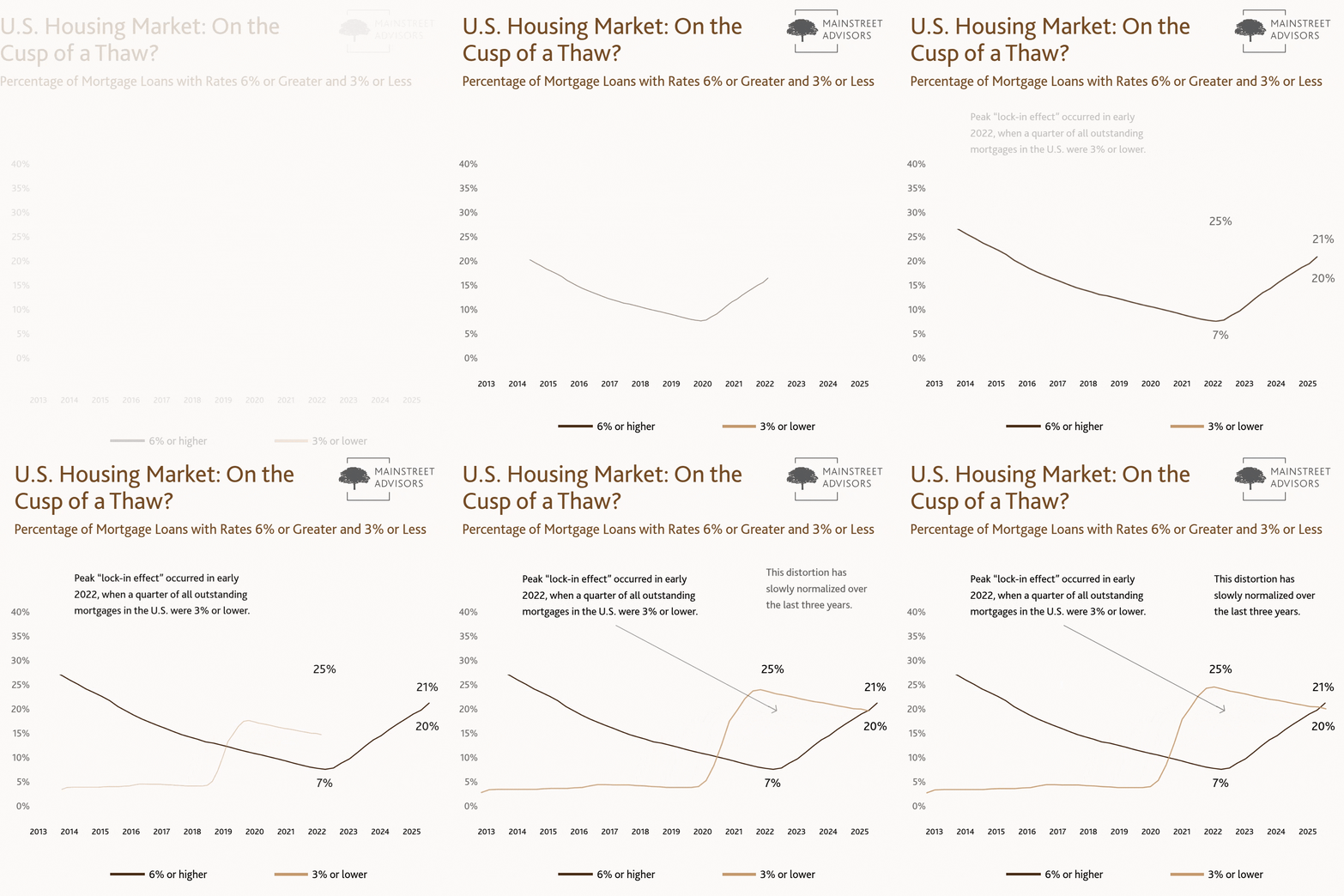
According to recently released Federal Housing Finance Authority data, the share of homeowners with mortgage rates of 6% or higher (21.2%) surpassed those with rates 3% or lower (20.0%) as of 9/30/25.
As the psychological and financial gap between current and market mortgage rates narrows, labor mobility could improve. Homeowners might be increasingly willing to move for career opportunities or life changes, gradually realigning the national workforce with geographic demand.
Although elevated home equity levels over the last five years supported consumer confidence through the “wealth effect,” the inability to move likely created a sense of “house rich, cash poor” for empty-nesters looking to downsize and growing families looking to upsize.
While higher interest payments may drag on some discretionary budgets, a prospective increase in home sales would likely be a net catalyst for the economy. Each new transaction triggers a “multiplier effect” in spending on durable goods, such as furniture, appliances, home improvements, mortgage broker fees, etc.
Recent moves by the Trump administration could accelerate this thawing of the “lock-in effect.”
These actions include directing Fannie Mae and Freddie Mac to purchase $200 billion in mortgage bonds, exploring “portable mortgages” that would allow homeowners to carry low rates to new properties, and seeking to bar institutional investors from using federal programs to acquire single-family homes.
Source: Federal Housing Finance Authority. Data as 9/30/25. Past performance does not guarantee future results.
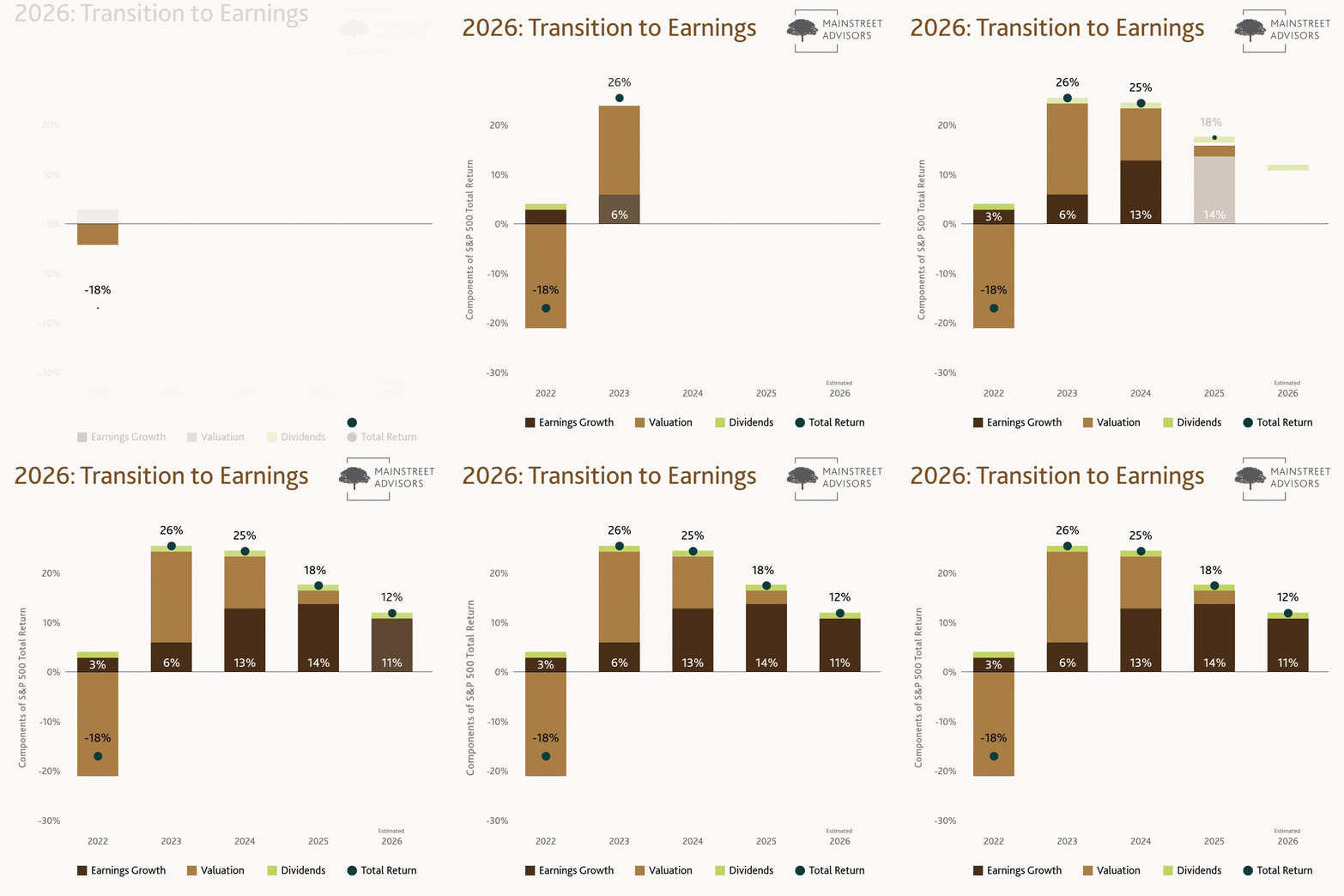
After three consecutive years of robust gains, U.S. large cap stocks are projected to deliver a more moderate but positive total return in 2026.
Earnings are expected to be the primary engine of this growth, contributing 11% to the S&P 500’s total return according to GS Asset Management estimates.
Valuation expansion, on the other hand, is expected to be muted in 2026 after a substantial upward rerating from 2023 through 2025.
This marks a shift from the post-2022 recovery period, where valuation expansion was the primary driver of index returns, especially in 2023 and 2024.
This transition toward earnings-led market returns suggests an equity environment in 2026 with broader participation across industry groups, sectors, and styles.
While elevated market valuations and geopolitical volatility may leave stocks susceptible to episodes of weakness, we believe the underlying economic backdrop and a supportive policy mix remains constructive for risk assets.
Source: Bloomberg, GS Asset Management. The GS Asset Management estimates shown for the S&P 500 Index in 2026 include 11% earnings growth, 0% valuation expansion, and 1% in dividends.
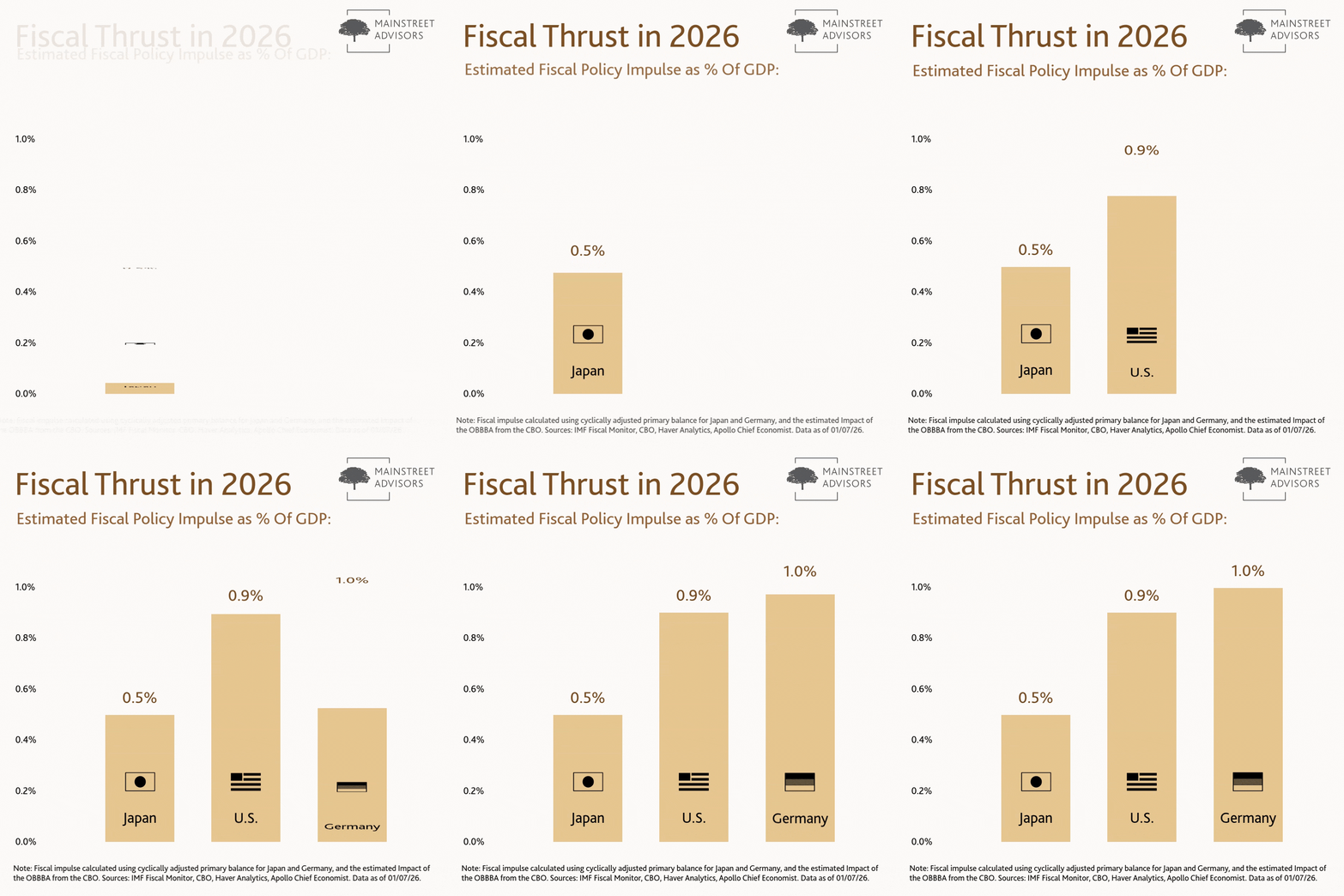
Substantial fiscal stimulus from the “One Big Beautiful Bill” (OBBBA) is expected to provide a meaningful boost to the U.S. economy, lifting GDP growth by an estimated 0.9%, according to analysis from the Congressional Budget Office and the International Monetary Fund.
Economists and strategists argue the legislation could generate multiplier effects across infrastructure and industrial development, strengthening the labor market and catalyzing private-sector investment.
The resulting fiscal impulse in the U.S. is projected to outpace most major economies, underscoring America’s relative growth advantage.
In contrast, Japan’s fiscal impulse is estimated at 0.5%, as policymakers balance economic support with long-term debt sustainability concerns.
Germany is expected to deliver a 1.0% fiscal impulse, as Europe’s largest economy increases sovereign borrowing to rebuild its defense industry and modernize infrastructure.
Note: Fiscal impulse calculated using cyclically adjusted primary balance for Japan and Germany, and the estimated Impact of the OBBBA from the CBO.
Sources: IMF Fiscal Monitor, CBO, Haver Analytics, Apollo Chief Economist. Data as of 01/07/26.
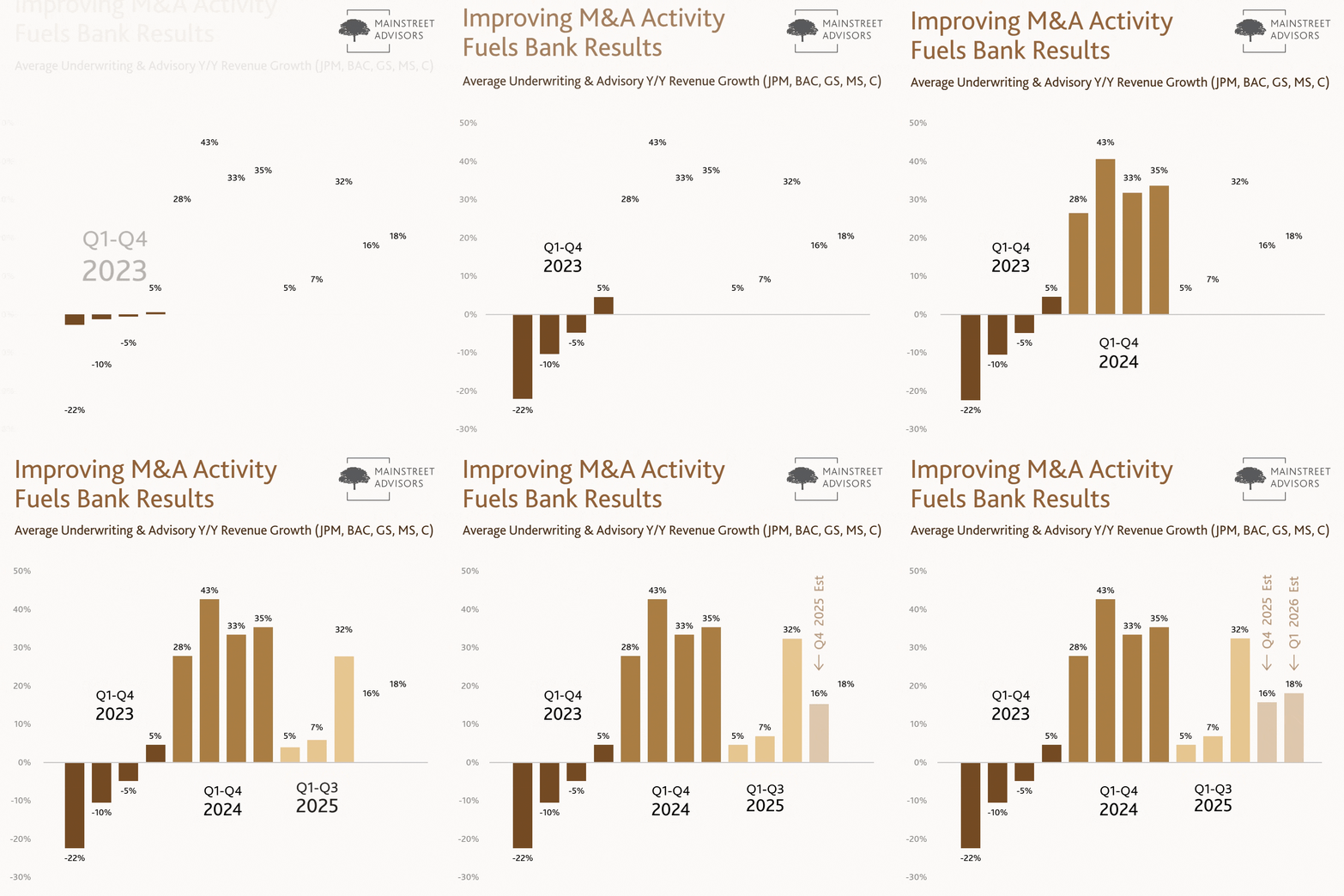
Stronger mergers and acquisitions (M&A) activity this summer and fall has reinvigorated Wall Street’s investment banking revenues, driving a sharp rebound in quarterly results.
Global deal values surpassed $1 trillion in the third quarter of 2025—only the second time on record—propelled by landmark transactions such as the $55 billion take-private of video game publisher Electronic Arts.
This wave of megadeals helped push investment banking fees at Goldman Sachs, JPMorgan Chase, and Citigroup up by 16%–42% year-over-year, marking their best quarter in more than three years.
The surge in advisory and underwriting activity has been supported by favorable market conditions, including robust equity valuations, an easing regulatory environment, and corporate confidence in the U.S. economy.
Bank executives reported that deal pipelines remain strong, with technology and financial-sector M&A particularly active. The uptick in transactions has had a multiplier effect across equity and debt financing, boosting related fee income.
Most major banks expect deal momentum to continue into 2026 amid resilient corporate balance sheets and ongoing strategic consolidation, positioning investment banking as a key earnings driver for the group over the next several quarters.
Source: Bloomberg. Data as of 10/31/25. Past performance does not guarantee results.
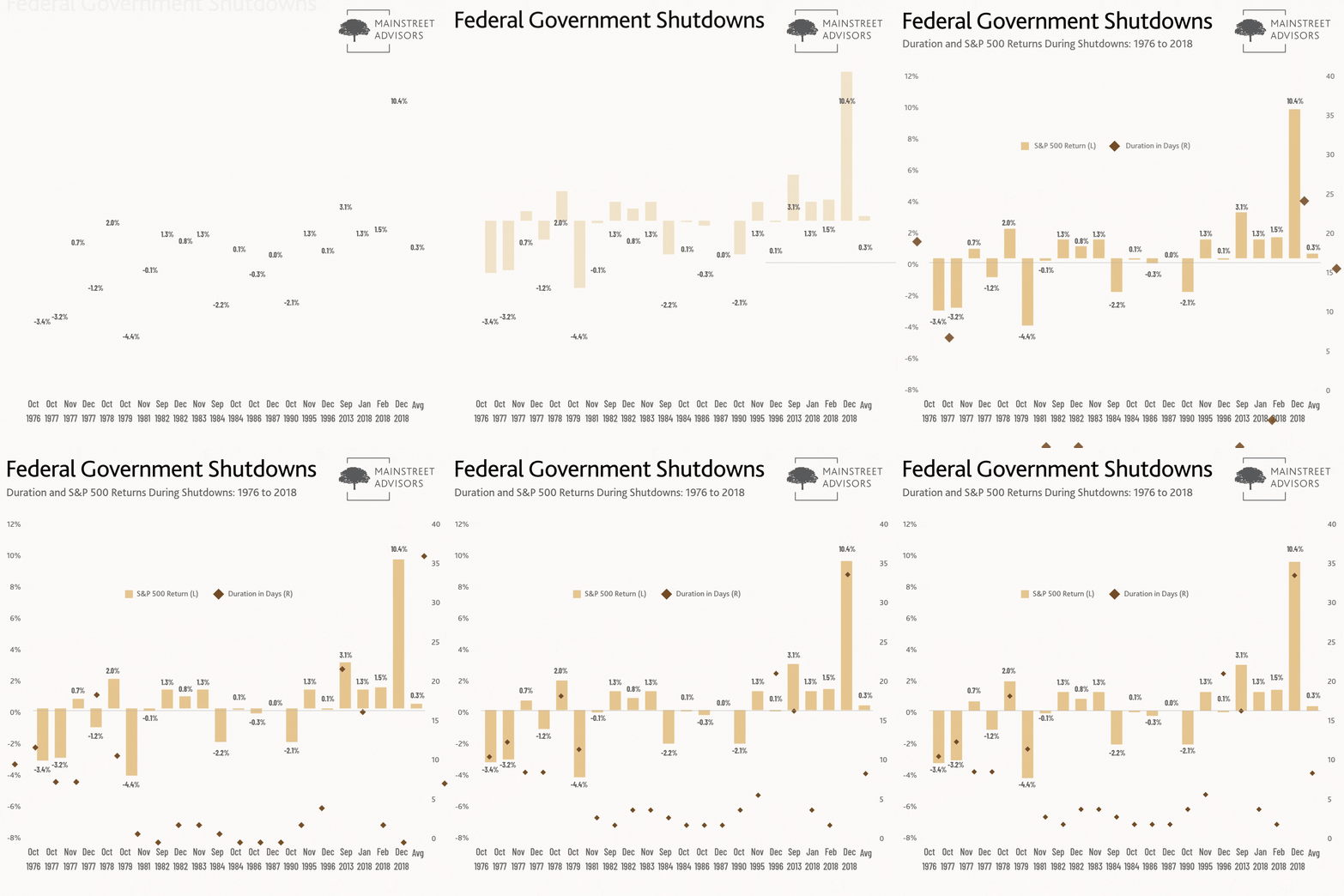
Federal government shutdowns tend to be brief and have limited impact on both the U.S. economy and stock market. Since 1976, there have been 21 shutdowns, most lasting less than a week, with an average duration of just eight days.
Historically, the S&P 500 has shown minimal disruption during shutdowns, with average returns near flat (+0.3%). The benchmark registered a gain in 12 of the 21 shutdowns shown in the chart. The longest shutdown on record from December 22, 2018 to January 25, 2019 coincided with a 10.4% return for the S&P 500.
Essential services almost always continue during shutdowns. Air traffic control, border patrol, Social Security, Medicare, and the military remain operational, while non-essential services like national parks, NASA projects, and civil court cases often temporarily pause.
U.S. government spending makes up about 17% of GDP, but only 3% is non-essential. With federal employment at record lows as a share of the workforce, we expect the broader economic drag to be modest.
While policy uncertainty can briefly unsettle markets during shutdowns, volatility has generally remained contained, with equities often rebounding once the political standoff ends.
Source: Bloomberg, Invesco. Data as 9/30/25. Past performance does not guarantee future results.
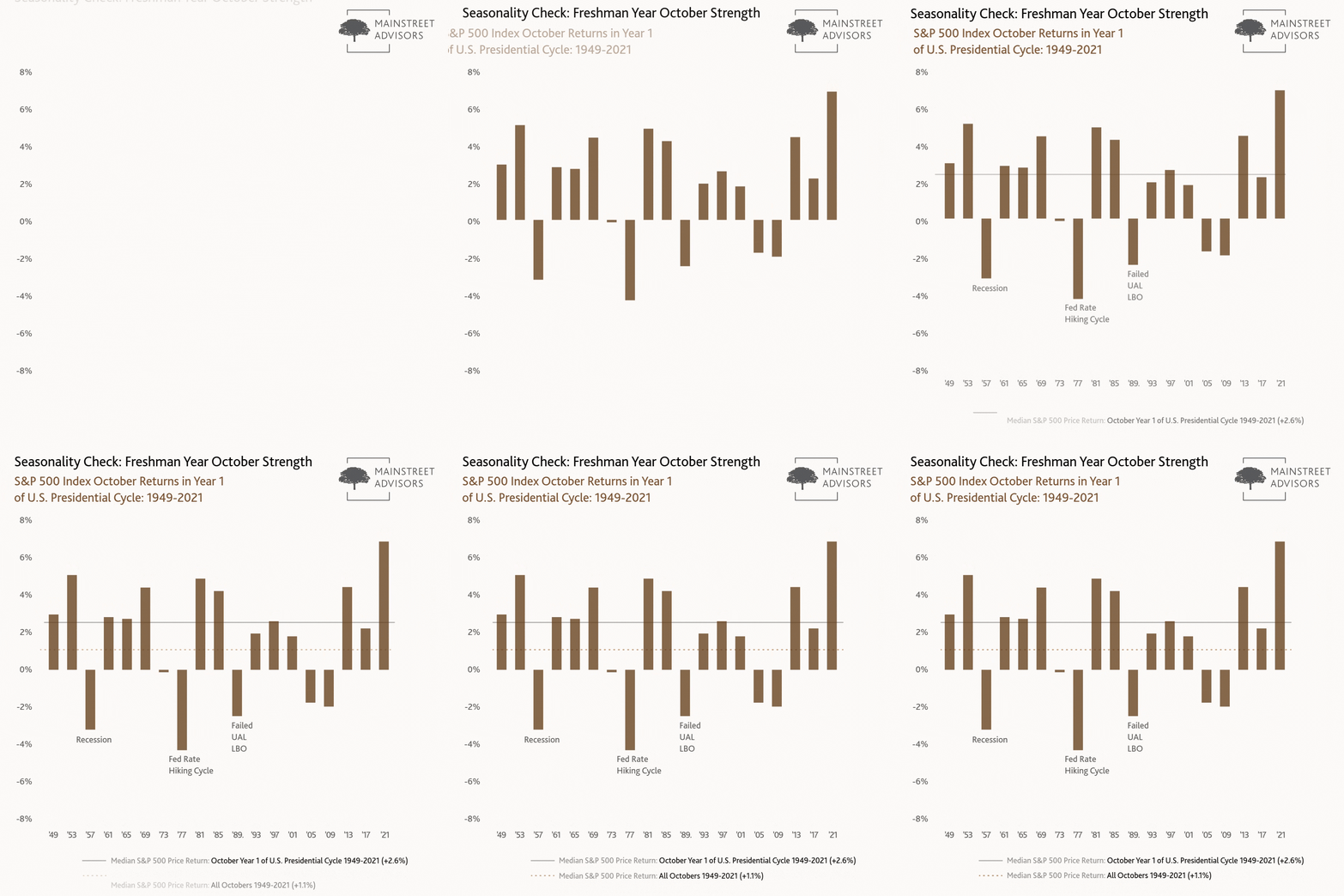
October has long carried a contradictory reputation in U.S. markets, marked by both historic crashes (1929, 1987, 2008) and powerful bullish reversals (1974, 2002, 2011). From 1946 through 2024, the S&P 500 Index posted an average October gain of 0.98%, outpacing its long-term monthly average of 0.71%.
The month is also one of the most volatile stretches on the calendar, particularly in its first half. This turbulence often reflects election-related uncertainty, institutional portfolio rebalancing ahead of year-end, and the gap between a mid-September Federal Reserve meeting and the kickoff of the third-quarter earnings season.
Seasonality within the presidential cycle adds another dimension. In the first year of the past 19 cycles (1949–2021), the S&P 500 delivered gains in 13 Octobers and declines in six, with a robust 1.75% average return.
Notably, four of these losing years were tied to broader macroeconomic environment or sentiment shocks: recession in 1957, Fed tightening in 1977, the failed United Airlines leveraged buyout in 1989, and the post-Hurricane Katrina oil price surge in 2005.
Taken together, October’s record highlights its reputation for volatility, above-average returns, and its tendency to serve as a turning point in market trends.
Source: Bloomberg. Data as 9/30/25. Past performance does not guarantee future results.
The chart underscores a striking shift: data center construction spending in the U.S. is now on the verge of overtaking general office construction. Less than three years ago, spending in this category was only 20% the size of office construction, but demand for AI infrastructure has driven a rapid reversal.
AI-related capital expenditures have likely been a key support for U.S. GDP growth in 2025, while consumer spending has been more tepid. JPMorgan noted that consumption contributed 0.7% to GDP in 1H25 compared to its long-term 1.7% average, while business investment in information processing equipment added 1.1%, far above historical norms.
Major tech firms continue to deploy record capital. Nvidia (NVDA) recently projected $3–$4 trillion in AI infrastructure investment by 2030, underscoring both the scale of opportunity and the durability of this secular trend.
Bloomberg data shows data center construction up 68.5% since December 2023, now 5.6% of nonresidential construction, with forecasts to triple by late 2026. This represents a powerful tailwind for select sectors—particularly semiconductors, cloud computing, and real estate tied to hyperscale growth.
For investors, the opportunity is compelling but also requires prudence and awareness. Long-term exposure to AI infrastructure can capture significant upside, but portfolio strategies should remain diversified to mitigate overreliance on one segment of the economy.
Sources: U.S. Census Bureau, Bloomberg, JPMorgan Asset Management. Data as of 7/31/25. Past performance does not guarantee future results.

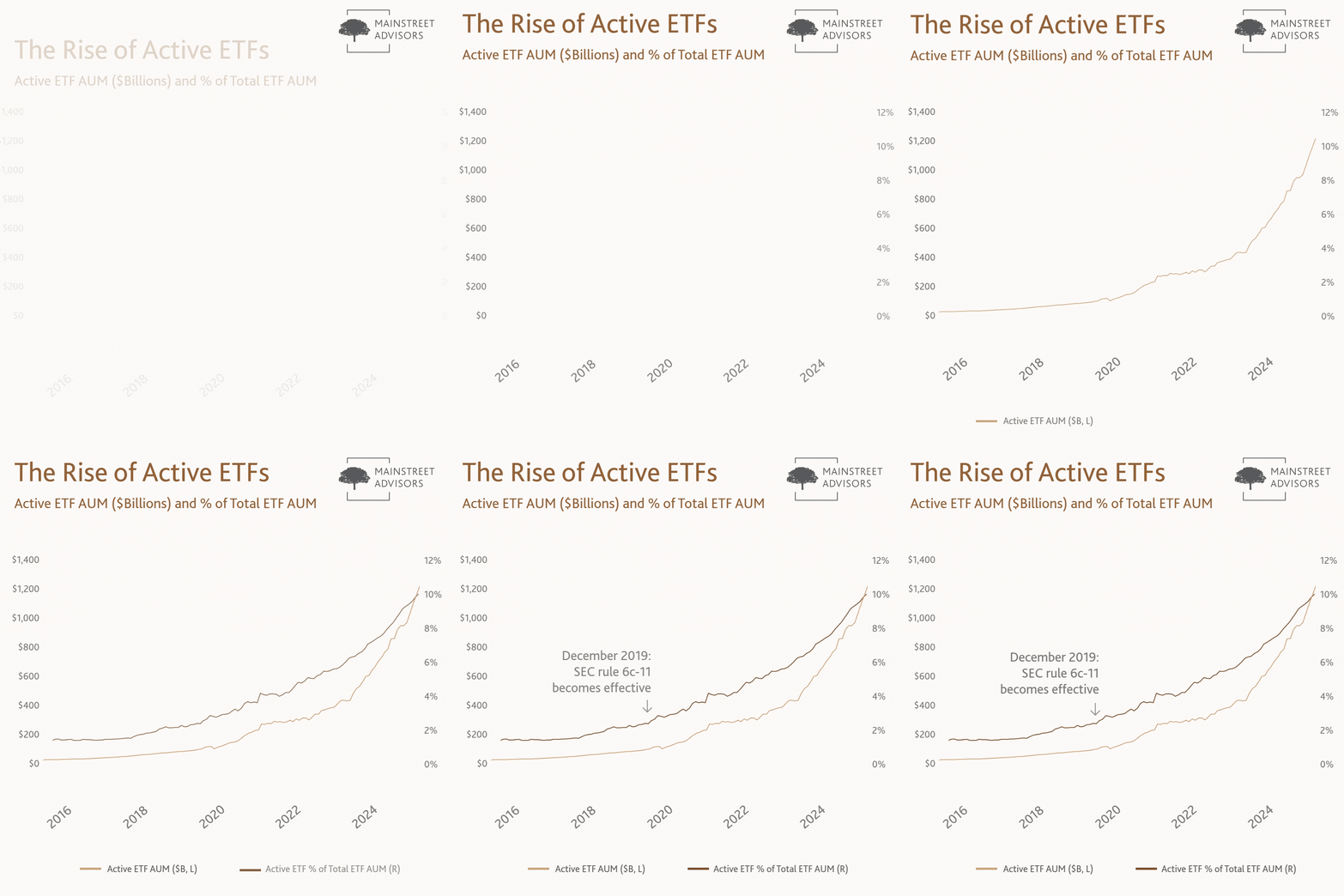
In recent years, actively managed ETFs have experienced impressive growth compared to their passive counterparts as investors have sought strategies that provide an optimal combination of active management and operational efficiencies.
According to State Street Investment Management, active ETF assets have grown from $81 billion in 2019 to over $1.1 trillion in 2024. While this is still only about one-tenth of the $10.4 trillion held in passive ETFs, the growth rate of active ETFs has been far stronger. A recent BlackRock study showed nearly half (41%) of new ETF launches in 2024 were active strategies, spanning more than 100 categories.
Active ETFs combine several of the most attractive features of traditional active management — manager expertise, track record, and discretion — with the structural advantages of the ETF wrapper, including tax efficiency, lower expenses, intraday liquidity, and transparency compared to mutual funds.
Regulatory developments have further supported growth. In late 2019, the SEC adopted Rule 6c-11 (the “ETF Rule”), which streamlined the approval process and eliminated the need for case-by-case exemptive relief, making it far easier to launch new active products.
The pipeline of strategies continues to expand. A March 2024 survey conducted by ETF consultant Blackwater found that more than 90% of asset managers without an ETF lineup plan to launch or evaluate ETFs within the next few years, a dramatic increase from less than 10% in 2021.
Fixed income has been a particularly strong use case for active ETFs, where managers can exploit inefficiencies more consistently than index-based peers. Growth is also accelerating in outcome-oriented and thematic products, highlighting the expanding appeal of active ETFs.
Chart Data Source: Morningstar. Data as 8/31/25. Past performance does not guarantee future results.
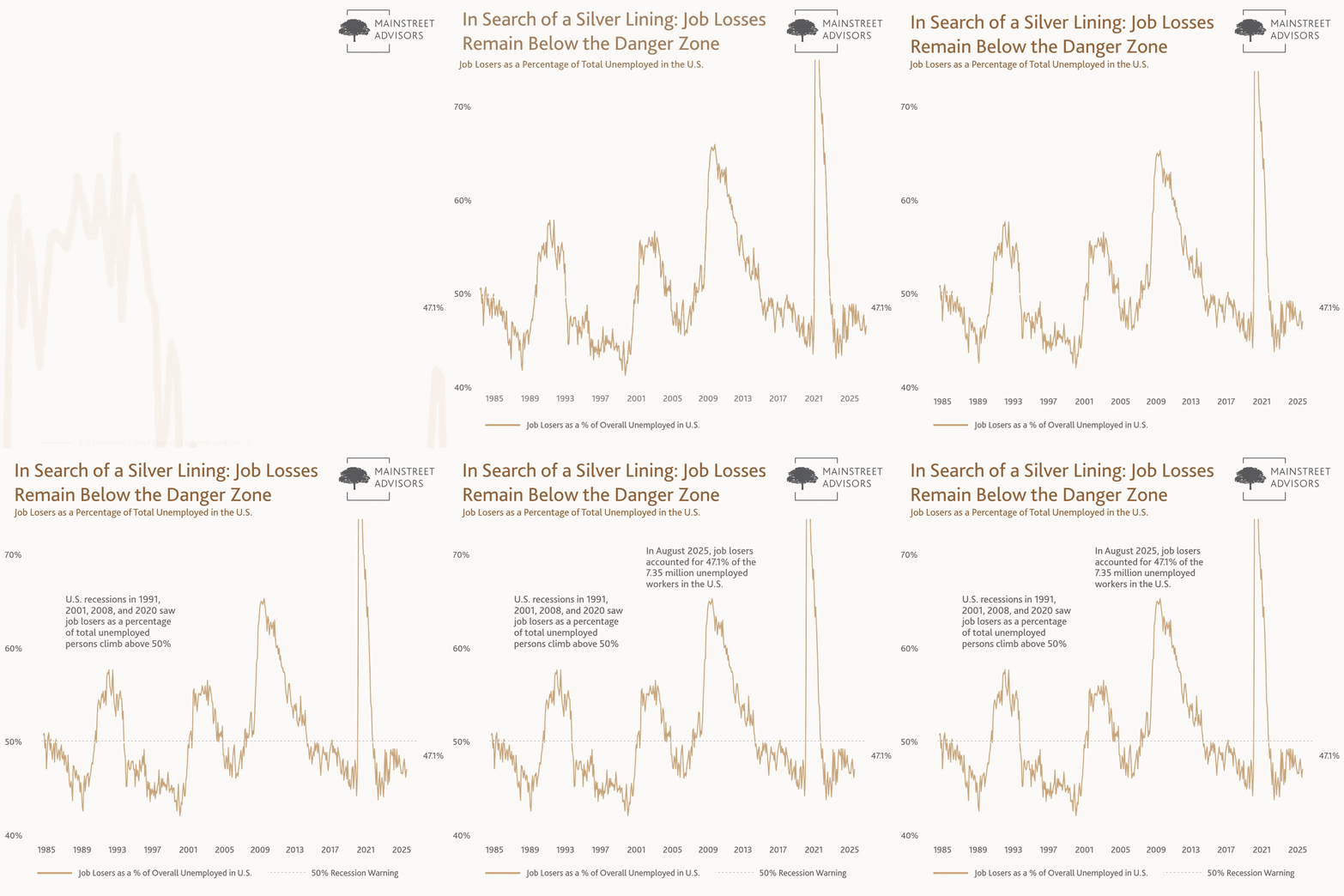
Nonfarm payrolls rose just 22,000 in August, below the 75,000 consensus and a marked slowdown from July’s 79,000 gain. June was revised down by 32,000 to a net loss of 13,000, while July saw a modest 6,000 upward revision. The jobless rate climbed to 4.32%. This is the highest level since October 2021, but only a modest increase from 4.20% in August 2024.
The data underscore the slowdown occurring in the domestic labor market. Yet, job losers accounted for 47.1% of total unemployed in August —below the 50% “danger zone” that has historically preceded U.S. recessions.
The unemployed population consists of three groups: job losers, new entrants, and re-entrants. A high and rising percentage of job losers point to systemic stress in the labor market, not just churn or new workforce participation.
New entrants (such as recent graduates) joining the labor force but struggling to find jobs may increase the unemployment rate without necessarily signaling economic weakness. A higher share of new entrants and re-entrants could suggest labor market expansion or rebalancing rather than contraction.
Source: Bloomberg. Bloomberg. Data as 8/31/25. Past performance does not guarantee future results. Vertical axis truncated at 75% for scaling purposes due to sharp spike in job losses in 2020.
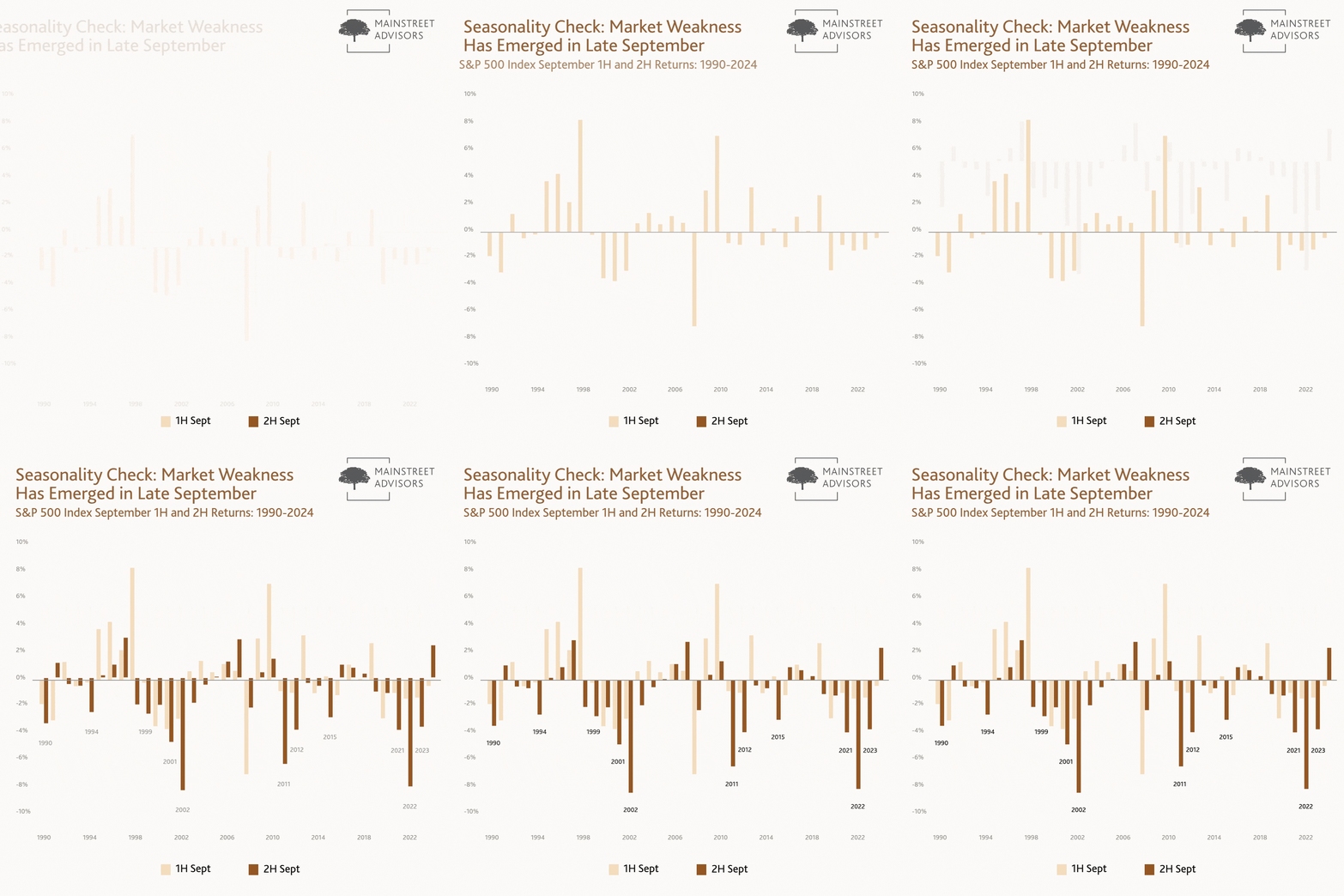
September has historically been the most challenging month for the S&P 500, with market weakness concentrated in the second half. Between 1990 and 2024, the index has averaged a 1.36% decline over the final two weeks of September.
The so-called “September Effect” is partly driven by the behavior of institutional investors and portfolio managers returning from summer breaks.
These market participants often reassess risk and trim exposure to stocks heading into the final stretch of the year. Meanwhile, mutual funds with fiscal years ending in September typically engage in tax-loss harvesting, adding selling pressure to underperformers.
The month also coincides with a heavier flow of macro catalysts—federal budget deadlines, central bank meetings, and corporate guidance updates—that can spark volatility. The Federal Reserve’s mid-September meetings in particular have a history of unsettling markets.
Finally, September’s reputation is reinforced by its association with major shocks such as 9/11 in 2001 and Lehman’s collapse in 2008, embedding the month with a heightened sense of risk in market psychology.
Historically, September weakness tends to be followed by market strength beginning in late October through the end of the year.
Source: Bloomberg. Data as 7/31/25. Past performance does not guarantee future results.
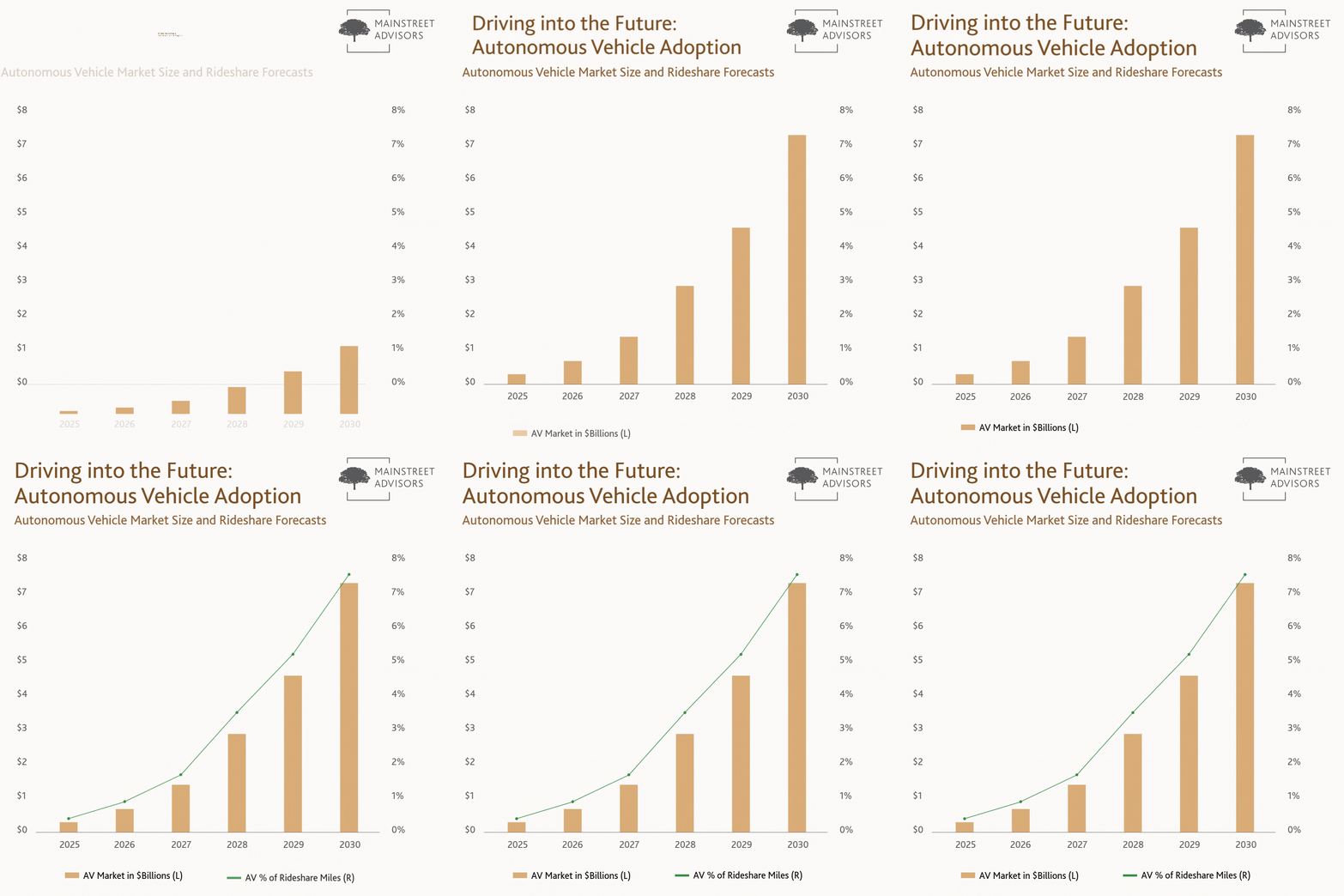
The autonomous vehicle (AV) market is expected to expand significantly over the next decade in North America. Goldman Sachs Research projects a fleet of 35,000 robotaxis and 25,000 AV commercial trucks by 2030.
According to Goldman, the AV market could reach $7 billion in revenue by 2030 and include 8% of the U.S. rideshare market, up from less than 1% of the current market. Presently, there are only 1,500 commercial AVs in five U.S. cities. The forecasted growth for robotaxis in the ridesharing market is 90% from 2025 to 2030.
As the autonomous vehicle market grows, the hardware, depreciation and overall driving costs per mile are on the decline. Current self-driving costs are an estimated $3.13 per mile but may decrease to less than $1 per mile by 2030.
Partially autonomous vehicles are forecasted to be 10% of new vehicle sales by 2030. The level of autonomy varies in vehicles, with Level 2 and Level 2+ requiring driver supervision, while Level 3 and higher alerts a driver to take control in limited scenarios.
As the level of automation increases, the vehicle requires more cameras, sensors, and remote light detection to make timely decisions. The most profitable routes are often the most complex for AV to navigate successfully, such as airport navigation and nightlife pick-up and drop-offs in crowded cities.
Over time, users may choose to own an AV rather than rent one. The cost per-mile of owning and operating a personal vehicle is at most a little over $1, compared to more than $2 per mile for the average rideshare.
Source: Bloomberg. Past performance does not guarantee future results.

Gold has been on a blistering rally, climbing over 25% this year and reaching an all-time high over $3,400 per ounce in August. This follows an impressive 27% gain last year, edging past the S&P 500’s 25% return. Gold has consolidated its strong gains over the last three months amid reduced tariff uncertainty.
Central banks and sovereign wealth funds have been a key driver of gold’s trajectory, purchasing over 1,000 tons of gold annually for three consecutive years, twice their pre-2022 pace.
These purchases have pushed the metal’s share of central banks’ foreign exchange reserves to 20%, surpassing the euro’s 16% share and trailing only the U.S. dollar at 46%, according to the European Central Bank.
Central banks, particularly in emerging market countries, started buying more gold after the G7 nations froze $280 billion in Russian assets, held primarily in Brussels, in March 2022 following the Ukraine invasion.
Holding more foreign exchange reserves in gold rather than currencies offers more protection from foreign governments seizing fiat currency since the precious metal can be stored in domestic vaults in large quantities.
Emerging market central banks are also playing catch up, as many of them hold less than 20% of reserves in gold compared to over 70% for G7 nations, a legacy of the gold standard era.
Source: Bloomberg. Data as 7/31/25. Past performance does not guarantee future results.
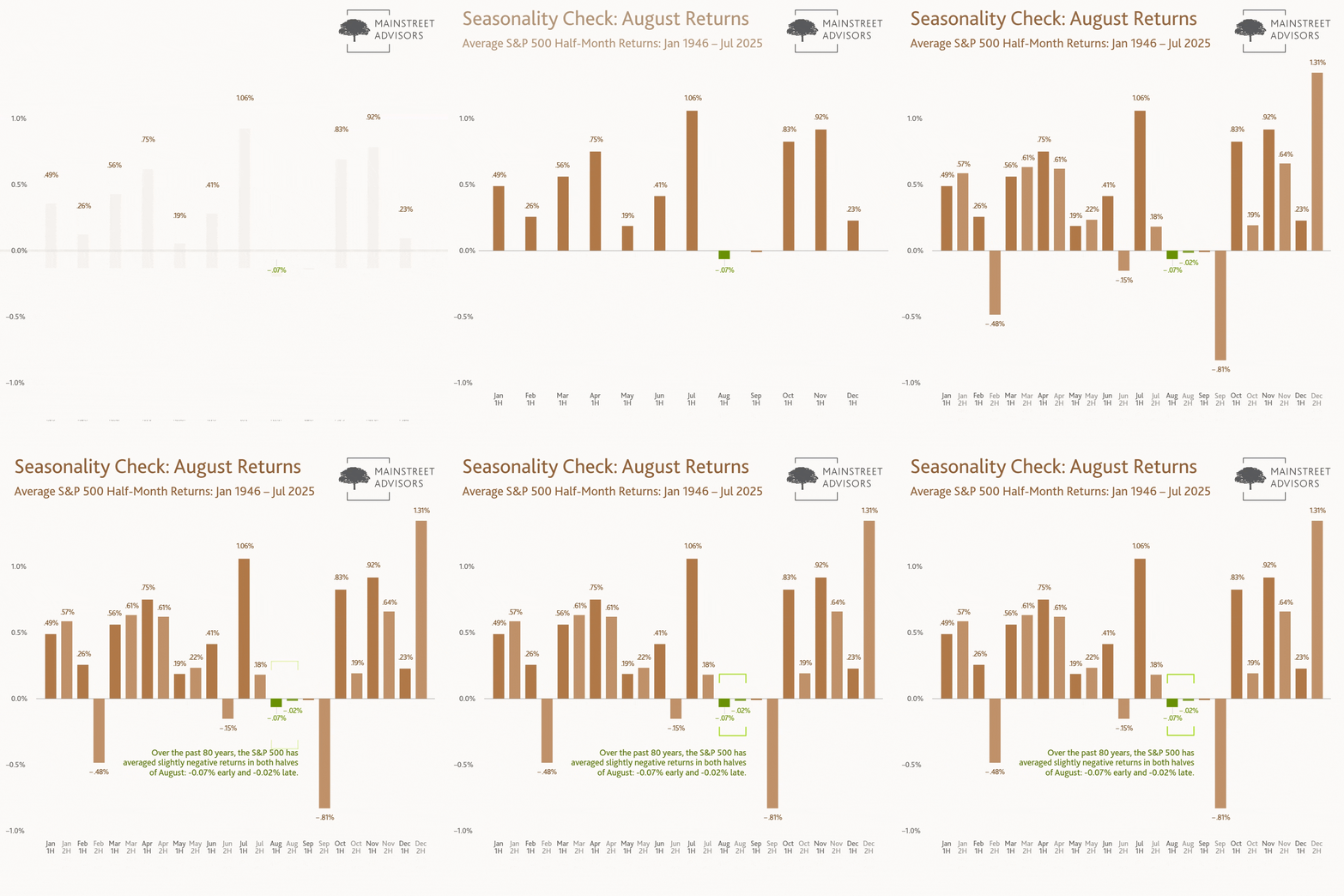
The S&P 500’s average return in August from 1946 through 2024 is -0.09%, which is the third weakest month of the year behind September (-0.80%) and February (-0.24%). August is historically prone to market volatility, often stirred by geopolitical tensions or monetary policy shifts.
Markets frequently face thin liquidity in August as many institutional participants are on holiday, leaving equities more sensitive to macroeconomic surprises. This lack of depth can amplify the impact of economic data releases, central bank commentary, or geopolitical developments. Market corrections have occasionally begun or intensified during this late-summer stretch.
The Golden Harvest month faces a high bar this year after the index recorded strong consecutive gains in May (6.15%), June (4.96%), and July (2.24%). Since 1946, there have only been three years in which the S&P 500 gained at least 2% in all three months: 1980, 1995, and 1997. The following August returns in those years were 0.58%, -0.03%, and -5.74%, respectively.
In recent decades, examples of elevated market volatility during August include the Eurozone’s debt crisis in 2010, the U.S. debt downgrade in 2011, China’s currency devaluation in 2015, Fed Chair Powell’s hawkish Jackson Hole speech, in 2022, and the Japanese Yen carry trade scare in 2024.
Source: Bloomberg. Data as 7/31/25. Past performance does not guarantee future results.

The U.S. economy shrank at an annualized rate of 0.2% in the first quarter, its first contraction since early 2022.
The contraction was primarily driven by a surge in imports as companies stockpiled pharmaceuticals, automotive parts, and other goods in anticipation of the Trump administration’s reciprocal tariffs.
Imports spiked to $346.8 billion in March, resulting in a record $140.5 billion trade deficit. As a result, net exports detracted a historic 4.9% from GDP, distorting the headline figure. A 2.6% contribution from the inventory buildup partially offset this drag.
Underlying economic strength persisted with final sales to domestic purchasers (GDP excluding international trade and inventories) rose a solid 2.0%. Consumer spending also showed resilience, growing 1.8% and exceeding the consensus forecast of 1.2%.
With only several weeks left in the second quarter, U.S. GDP is expected to grow 3.3% from April through June based on an average of real-time forecasts from the Atlanta Fed, the New York Fed, the St. Louis Fed, and Bloomberg Economics.
Source: Bloomberg
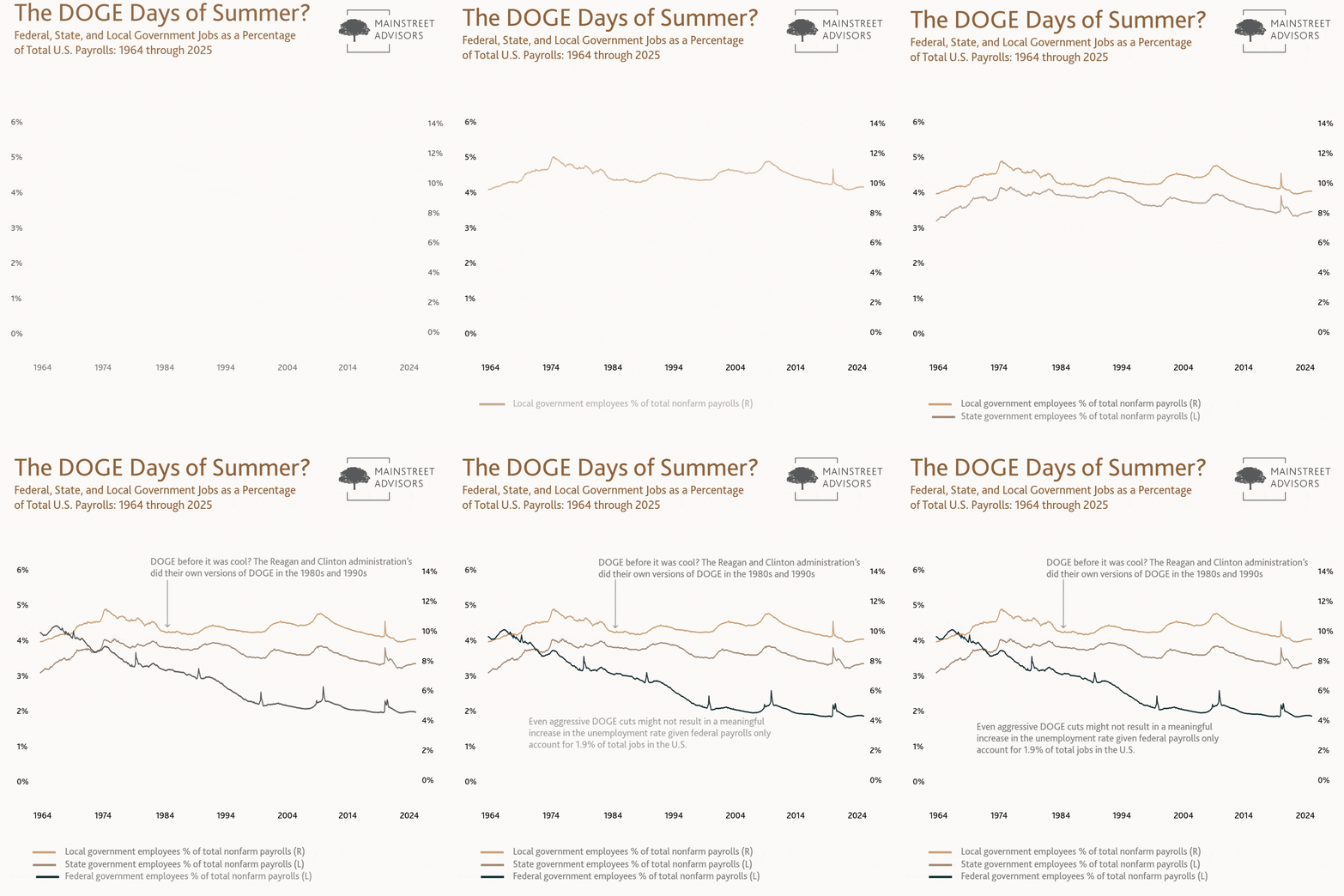
Federal payrolls as a percentage of overall payrolls have been in decline for 60 years (see dark line measured on left vertical axis in chart). They were above 4% in the mid-1960s during Johnson’s Great Society program but have fallen to just 1.9% as of March. In the 1980s (Reagan) and 1990s (mostly Clinton) federal payrolls as a percentage of overall were reduced significantly. This is especially true during the Clinton administration, which presided over an economic boom from 1993 through 1999. There was also an economic boom from 1983 to 1989 under Reagan.
There simply may not be enough federal jobs to cut to cause a material increase in the unemployment rate. DOGE fears are probably overblown partly because Elon Musk does not have the power to fire state and local government employees. As such, there is not a direct DOGE through-line to state and local payrolls, which combined accounted for 12.9% of overall payrolls in March vs. 1.9% at the federal level.
The real risk would be substantial cuts to local government jobs, which accounted for 9.5% of total payrolls in March. In a country the size of ours, this has almost nothing to do with DOGE and will be much more affected with local and regional economic trends, tax receipts, spending priorities, etc.
Source: Bloomberg. Data as of 3/31/25. Past performance does not guarantee future results.
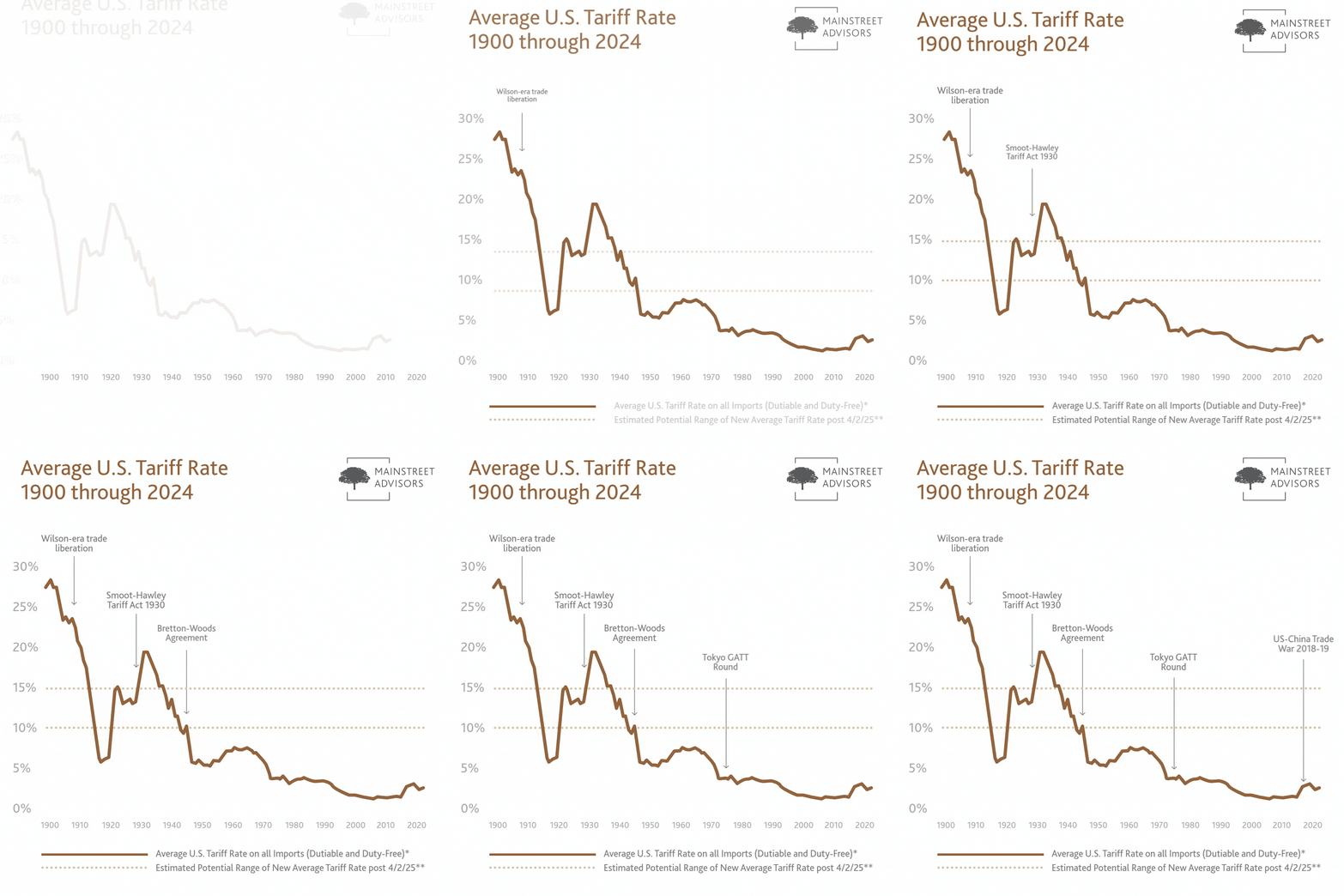
We have seen a significant shift in U.S. tariff policy over the last several weeks as the Trump administration pursues improved terms of trade and seeks to incentivize increased domestic manufacturing.
This chart shows the effective U.S. tariff rate over the last 125 years and an estimated range based on policy as of April 14.
The White House’s initial tariff framework would increase the effective U.S. tariff rate to the highest level since the 1930s, however, negotiations are underway with many trading partners that could result in lower tariff rates than are currently expected.
Source: Statista, The Tax Foundation. Past performance does not guarantee future results.
*The tariff rate of all imports is calculated by dividing the total tariff revenue by total imports, including duty-free and dutiable imports.
**Assumes the elimination of de minimus duty-free imports and reciprocal tariffs enacted 4/2/25